
Advanced Driver Assist Systems: An important step towards driverless cars
Advanced Driver Assistance Systems (ADAS) represent the bridge between today's human-driven vehicles and tomorrow's autonomous ones. Already present in millions of cars on UK roads, ADAS technologies are reducing accidents, improving road safety, and laying the groundwork for full autonomy.
Why ADAS Matters
Human error accounts for approximately 90% of road traffic accidents. ADAS technologies are designed to detect, warn, and in some cases intervene, reducing the impact of driver inattention, fatigue, and misjudgement.
Common ADAS Features
Key ADAS capabilities include Automatic Emergency Braking (AEB), which detects imminent collisions and applies brakes if the driver doesn't respond; Lane Departure Warning (LDW), which alerts drivers when the vehicle drifts from its lane without signalling; Blind Spot Monitoring to detect vehicles in adjacent lanes; Adaptive Cruise Control (ACC), which maintains a set speed and safe following distance automatically; and Driver Monitoring Systems (DMS), which use cameras to detect signs of fatigue or distraction.
Facial Recognition for Fatigue Detection
Driver fatigue is one of the leading causes of serious road incidents, particularly in commercial vehicles. Modern DMS systems use facial recognition technology to monitor eye closure frequency, head position, and facial expressions, detecting early signs of drowsiness before the driver loses awareness. When fatigue is detected, the system alerts the driver with visual and audible warnings. In advanced implementations, it can also slow the vehicle or request a stop.
The Road to Autonomy
Every ADAS feature represents a step towards removing human error from the equation entirely. As these systems mature and their data feeds improve, they form the foundation on which Level 4 and Level 5 autonomous vehicles will be built.
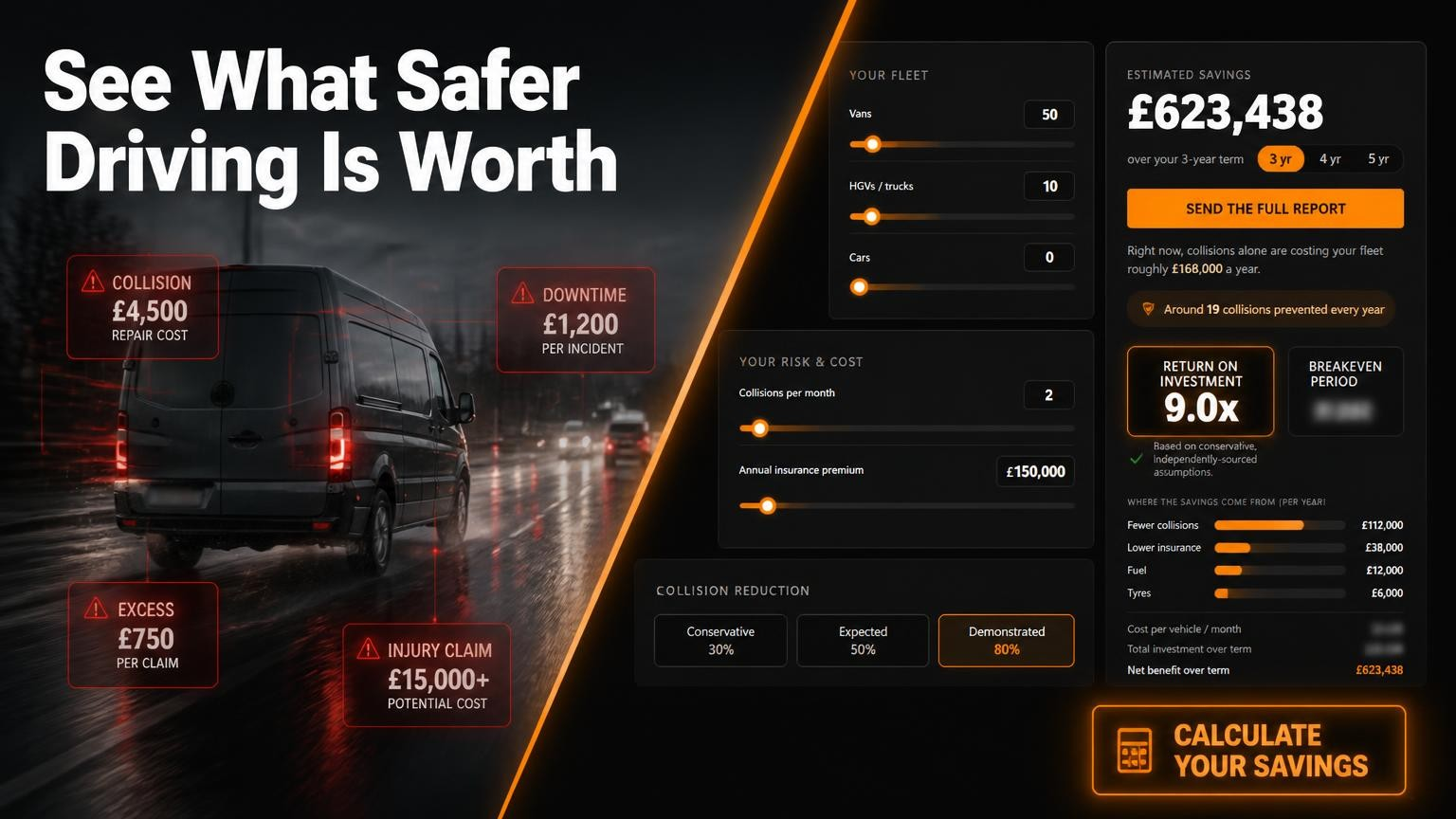
Want to see this on your own fleet? Talk to our team.
We can show you how Exeros helps reduce road risk and operational cost across your vehicles.

Table of contents
Related insights


Stay alert and informed
UK regulatory updates, fleet efficiency case studies and safety insights, sent to your inbox.
Talk to the teamRead more from Exeros

Talk to our team about your fleet's specific challenges and how we solve them.