Protect drivers and cut costs



.avif)
.avif)
.avif)
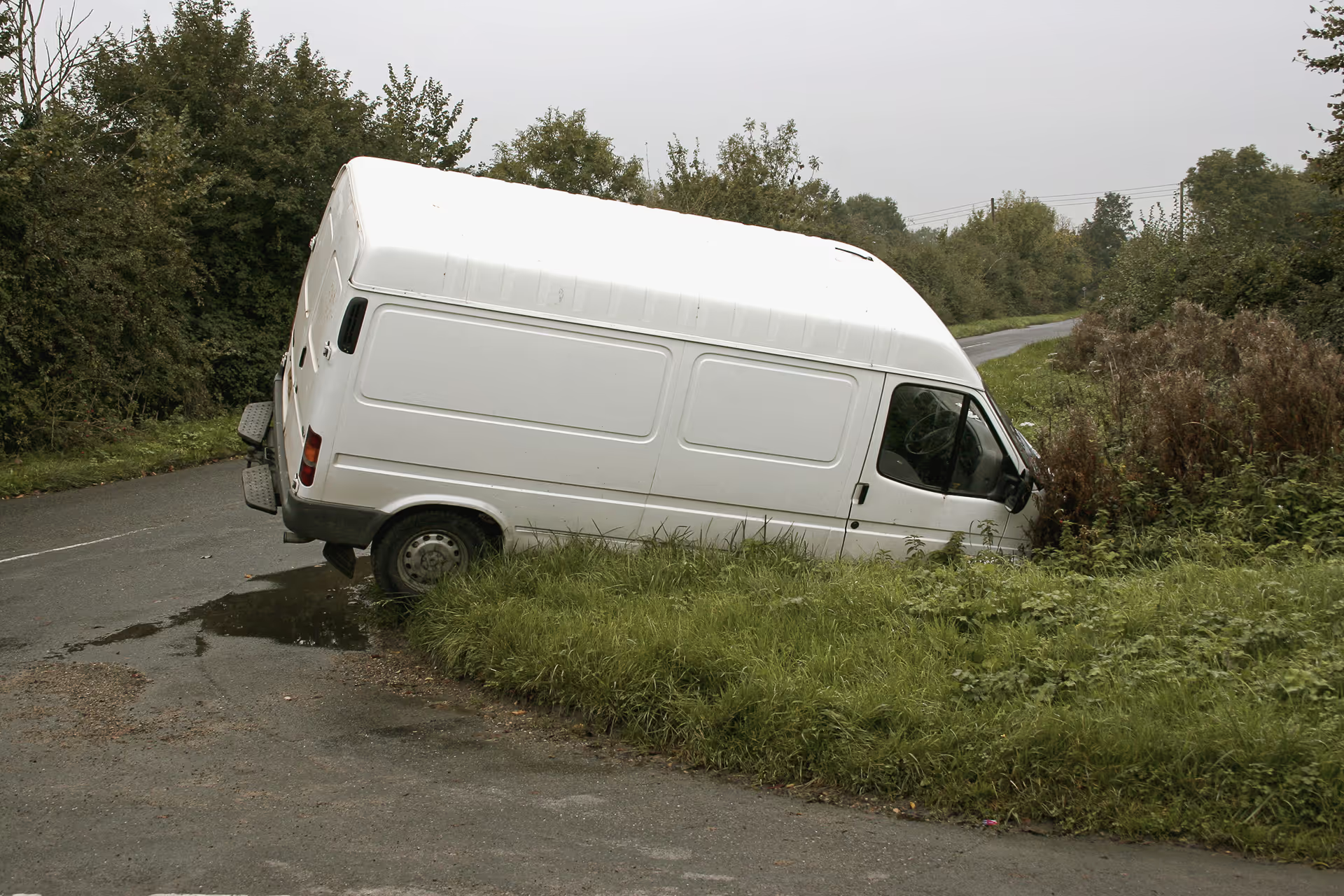
Avoid vehicle damage, claims, insurance increases, and disruptions.

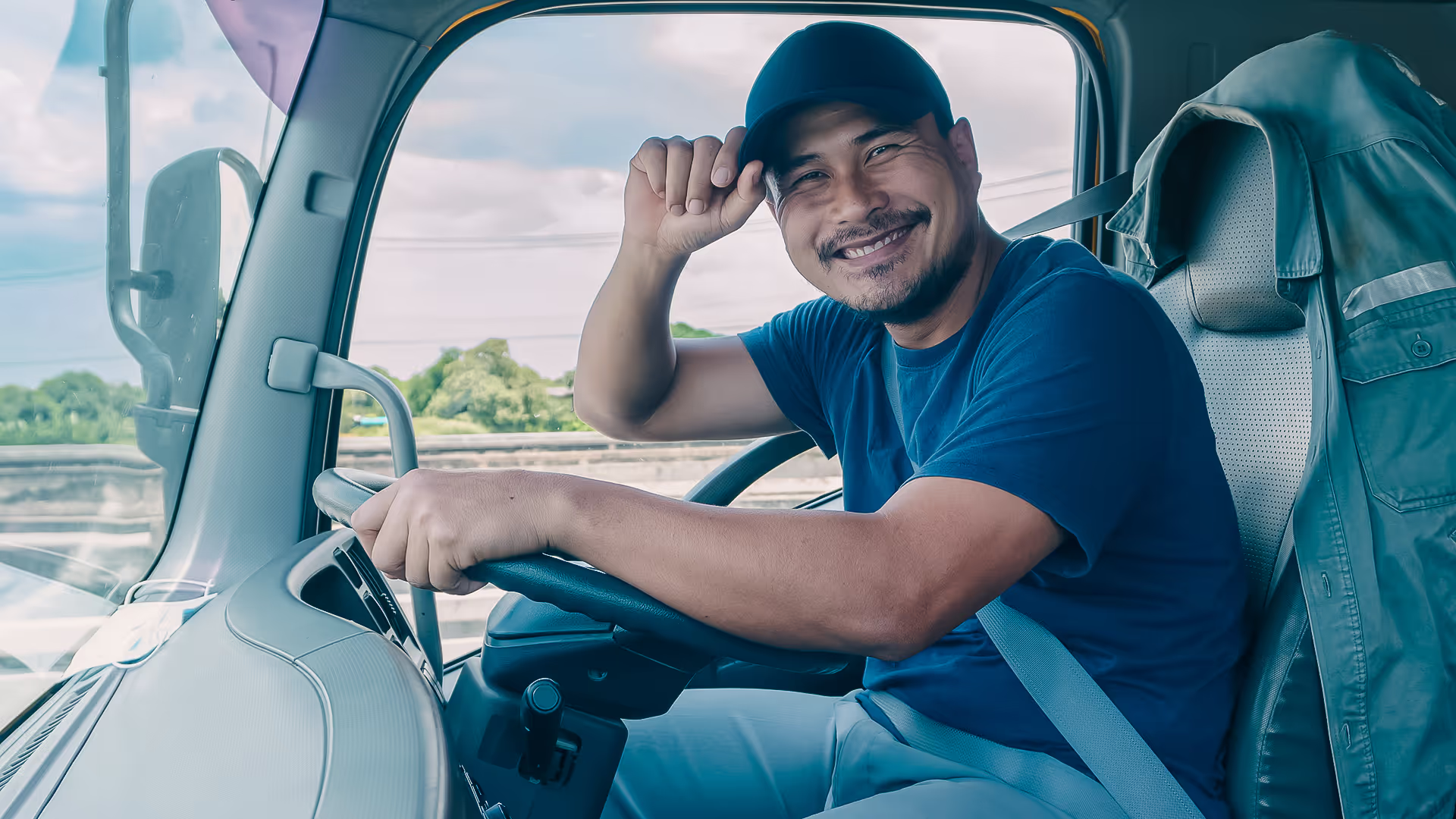
Real-time alerts and AI coaching help drivers react earlier and drive better.
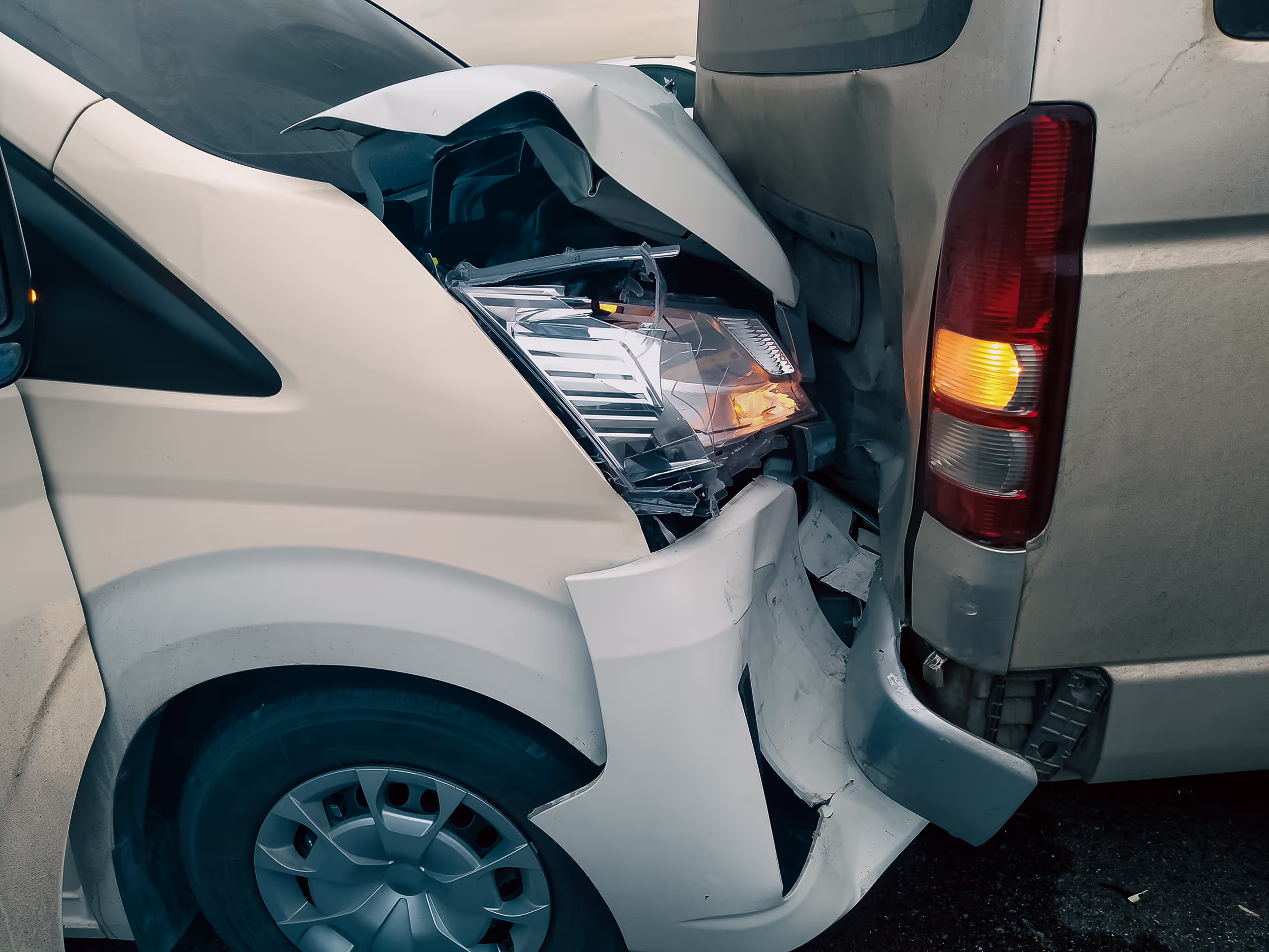
Video telematics reduces risk to VRUs and other vehicles.

A digital FNOL feature helps drivers record and report collisions easily.
See more, risk less
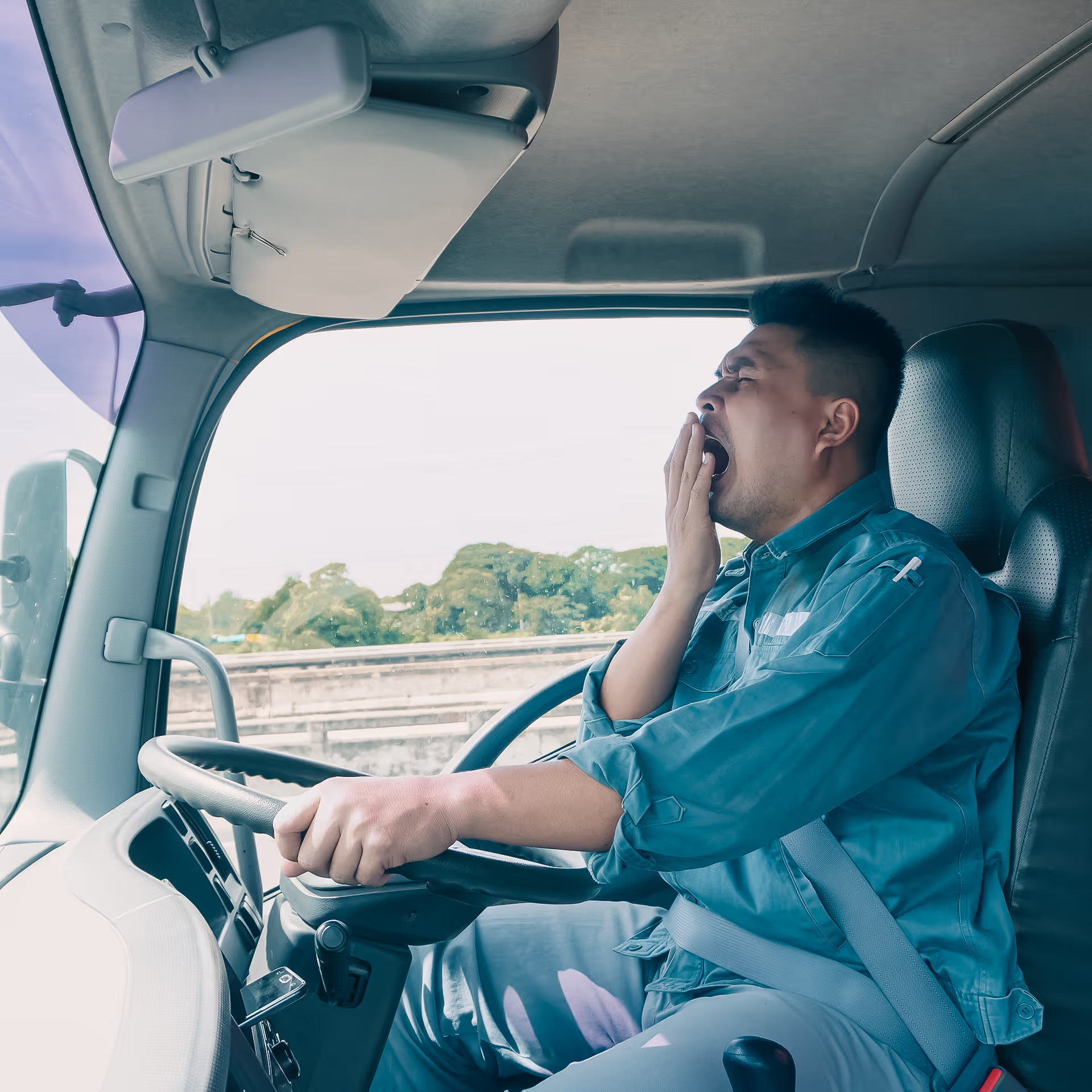
Detect fatigue and distraction
Fatigue and distraction remain the biggest causes of serious accidents. Exeros' AI camera system detects signs of drowsiness and distracted behaviours, and managers can see recurring patterns across the fleet.
Reduce risky driving behaviours
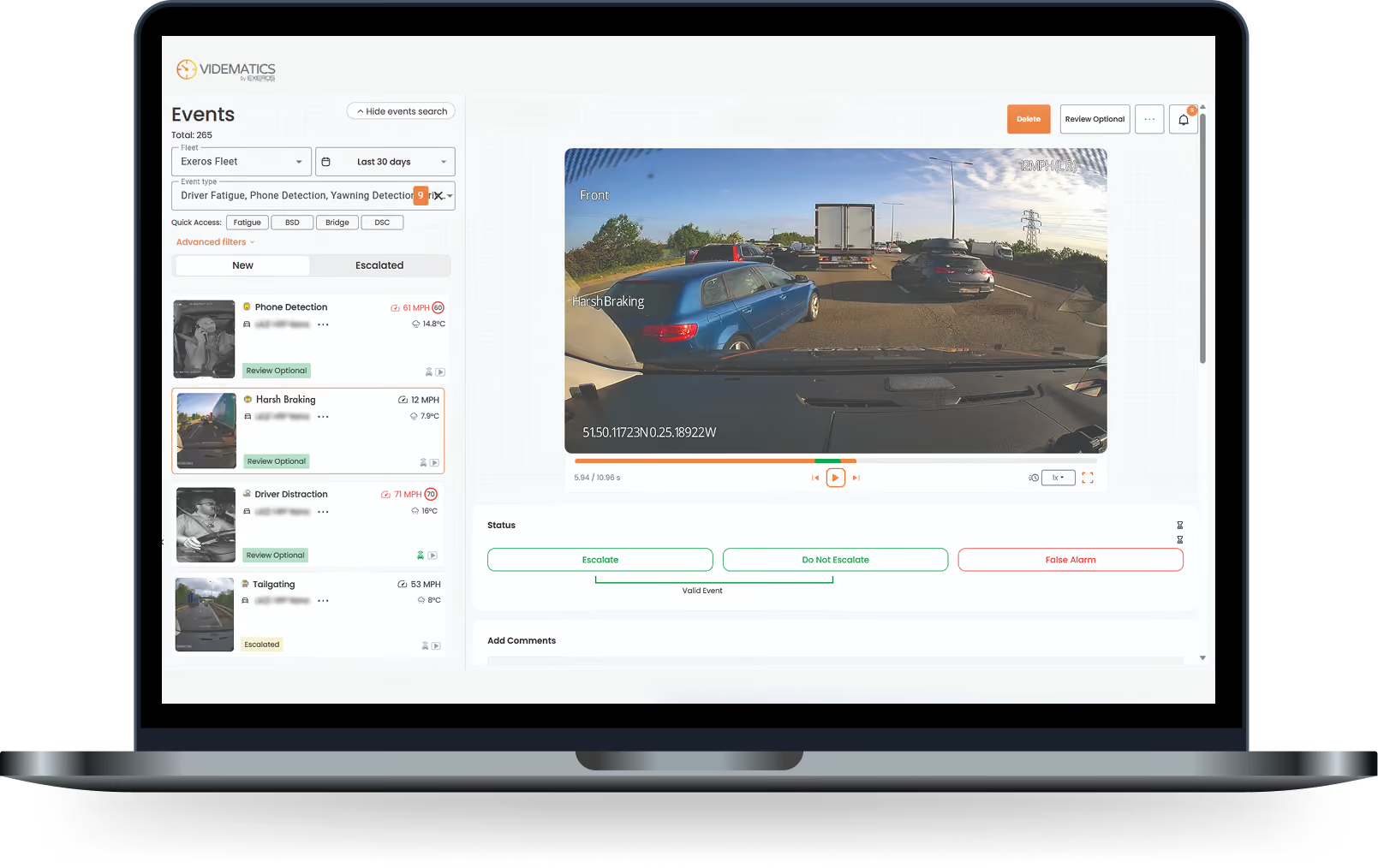
Tailgating, phone use, smoking, and other risky behaviours cause more collisions and higher severity. We combine AI detection with video evidence and driver-coaching tools to protect drivers and prevent accidents.
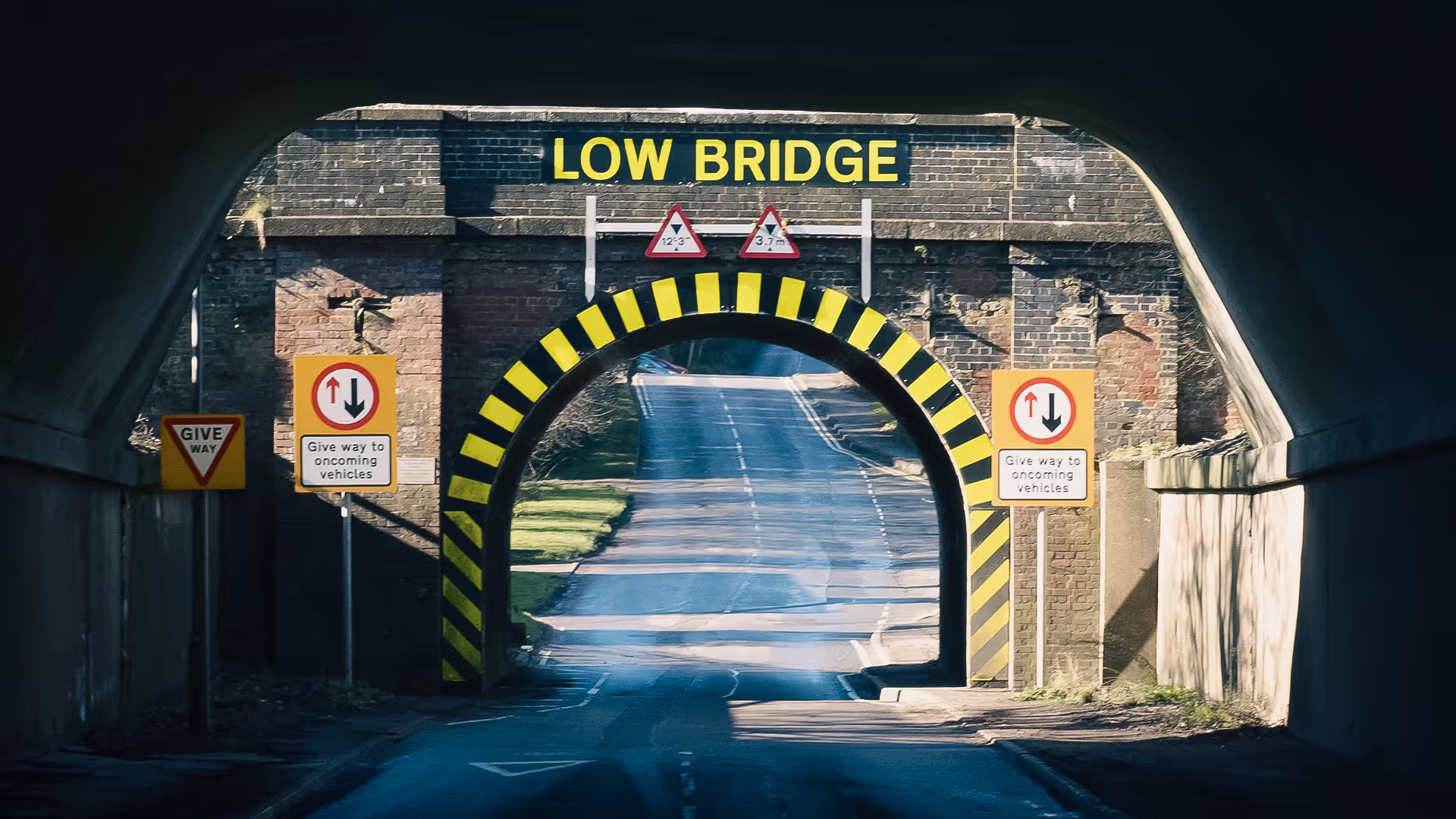
Finally prevent bridge strikes
Bridge strikes can lead to six-figure claims, Traffic Commissioner reviews, and brand damage. Exeros' proven, award-winning solution is the first to combine smart cameras, GPS, automatic height detection, and in-cab warnings.
The numbers that matter
FAQ
Questions about the platform, privacy, and how it works for your fleet
Reducing collisions requires a combination of real-time driver alerts, targeted coaching, and analytical insight into where and why risk occurs. Exeros combines AI cameras with ADAS functionality, fatigue detection, VRU alerts, and the Roadie driver coaching app to address the main causes of collisions across the fleet.
ADAS (Advanced Driver Assistance Systems) in Exeros cameras provide real-time warnings for risks such as forward collision, lane departure, tailgating, and rear incoming vehicles. These alerts give drivers time to react before an incident occurs, reducing the frequency and severity of collisions across the fleet.
Fatigue is one of the leading causes of serious road accidents. Exeros AI cameras detect signs of drowsiness and inattention in real time, issuing an in-cab alert to refocus the driver before a collision occurs. Fleet analytics also help managers identify fatigue patterns and address root causes through operational changes.
AI alerts provide an immediate response to risky behaviour, but sustained improvement requires coaching. Exeros Roadie gives drivers access to their own footage and scores, while managers can use fleet-wide analytics to focus coaching on the specific behaviours and drivers most associated with collision risk.
Low-speed collisions often occur during manoeuvres when drivers cannot see all sides of their vehicle simultaneously. SkEye View 360° provides a real-time top-down view of the entire vehicle and its surroundings, with AI detection alerting drivers to pedestrians and cyclists in blind spots before a collision occurs.
Talk to our team about your fleet's specific challenges and how we solve them.