
How driver training will save your business money
Driver training is often treated as a compliance obligation rather than a commercial investment. That framing leads to the minimum viable programme: enough to satisfy regulatory requirements, not enough to change behaviour materially. The fleets that treat training as a genuine investment in performance, rather than a compliance cost, get very different results.
The Return on Training Investment
The financial return from driver training comes through several channels. Fuel consumption falls as driving behaviour improves: reductions of 10-15% are commonly reported from training programmes focused on eco-driving. Accident rates fall as hazard perception and risk management skills improve. Tyre and brake wear reduces as harsh driving behaviour decreases.
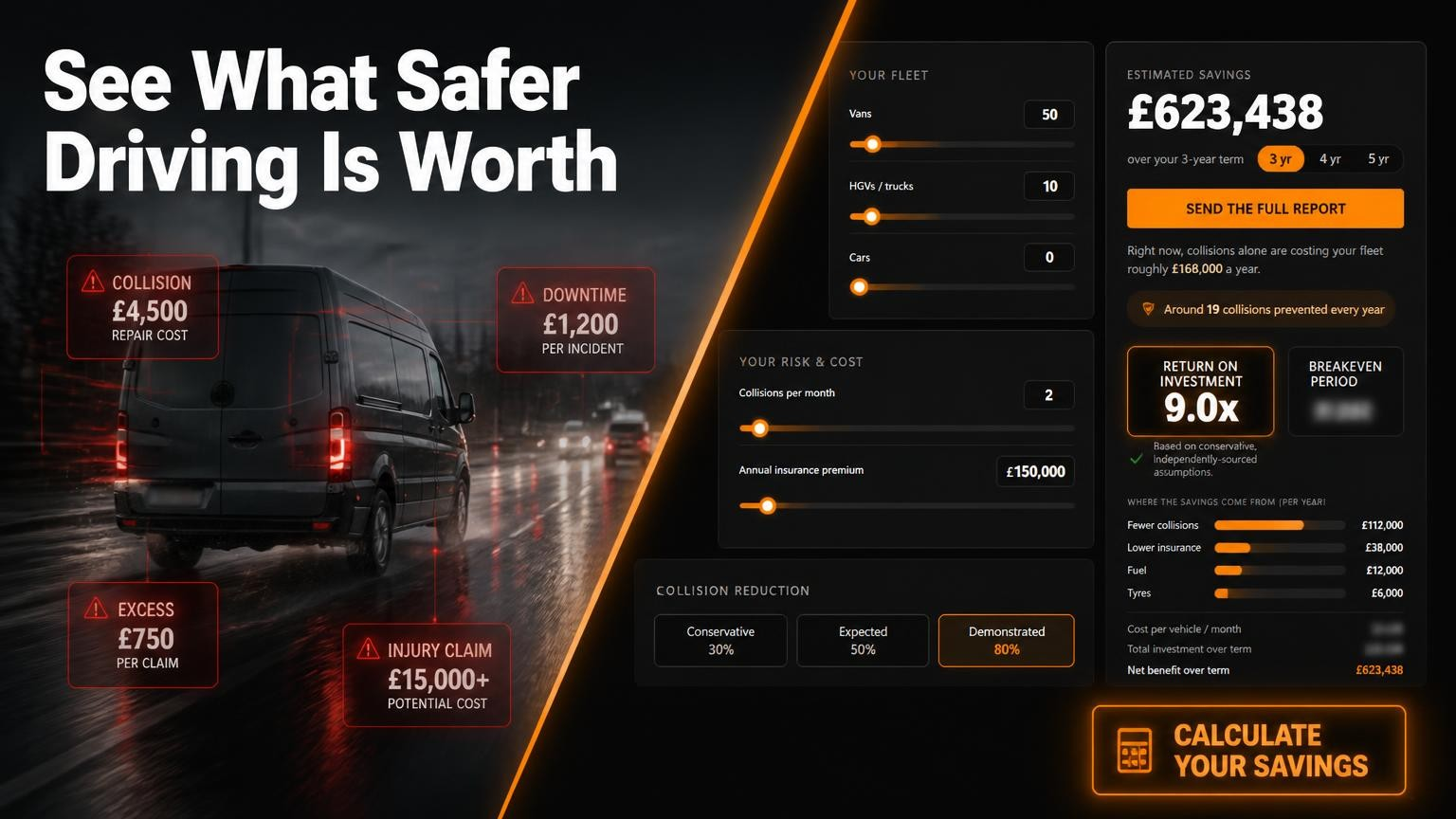
The aggregate effect across a fleet is substantial. For a fleet spending £500,000 annually on fuel, a 10% reduction represents £50,000 in savings. For a fleet paying £200,000 in insurance premiums, a 20% reduction represents £40,000. These are not theoretical figures: they reflect outcomes regularly reported by fleets that have invested systematically in driver training.
Making Training Stick
One-off training events produce short-term improvements that typically fade within months. Sustained improvement requires ongoing reinforcement: regular coaching conversations, feedback from telematics data, and a management culture that treats driver development as an ongoing priority rather than a periodic event.
The Role of Data
Telematics and camera data make training far more effective by making it specific. A driver who receives feedback tied to their own driving events, with video evidence, responds differently to a driver who receives generic training. The specificity of feedback is one of the strongest predictors of training effectiveness.
Want to see this on your own fleet? Talk to our team.
We can show you how Exeros helps reduce road risk and operational cost across your vehicles.

Table of contents
Related insights


Stay alert and informed
UK regulatory updates, fleet efficiency case studies and safety insights, sent to your inbox.
Talk to the teamRead more from Exeros

Talk to our team about your fleet's specific challenges and how we solve them.