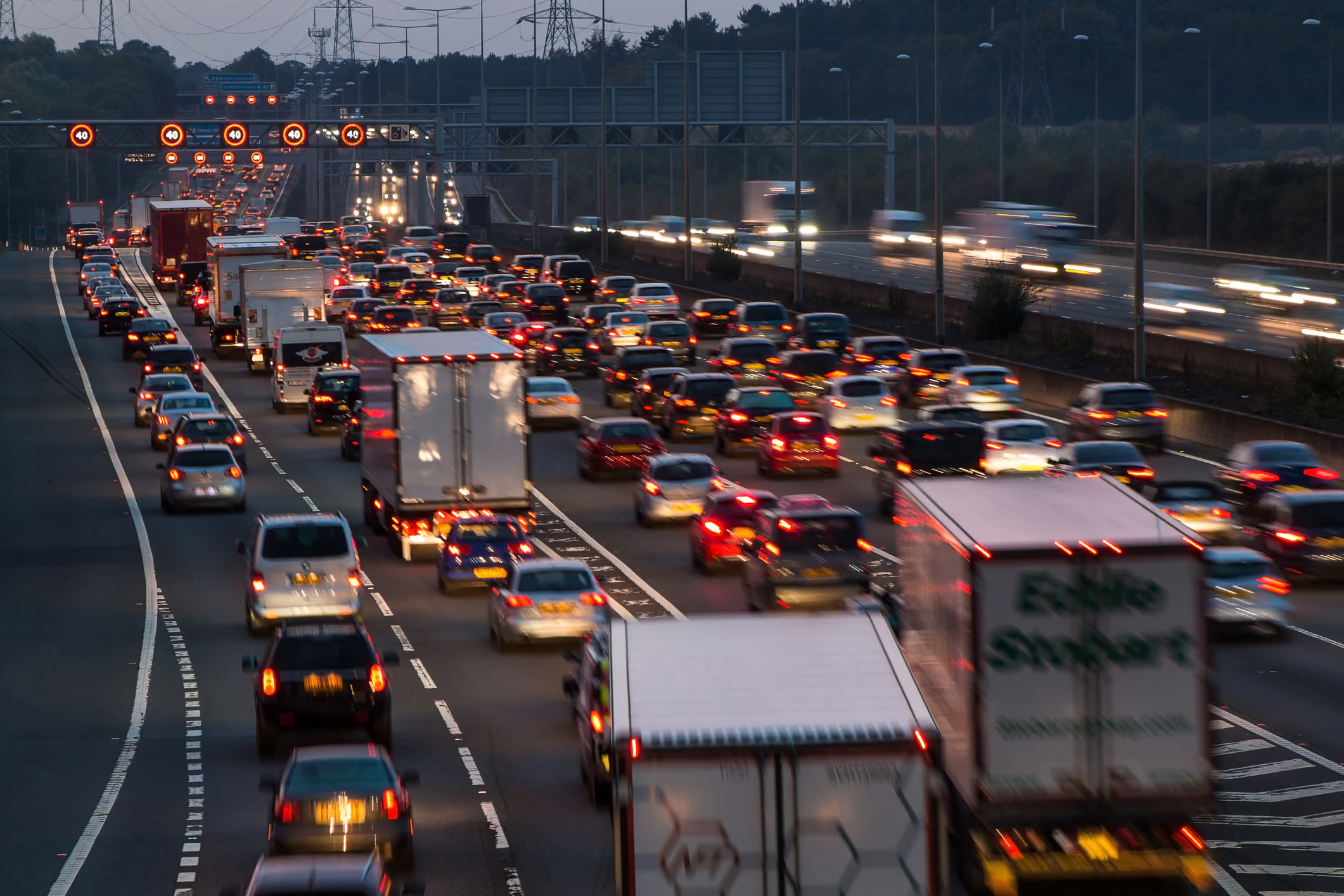
Why safety tech is key to UK fleet management
A decade ago, dashcams and telematics were considered supplementary tools for fleet management: useful but optional. Today, they're increasingly integral to how fleets operate, how they're insured, and how they demonstrate compliance. The shift reflects a combination of regulatory, commercial, and technological forces that have changed the risk calculus for UK fleet operators.
The Insurance Dimension
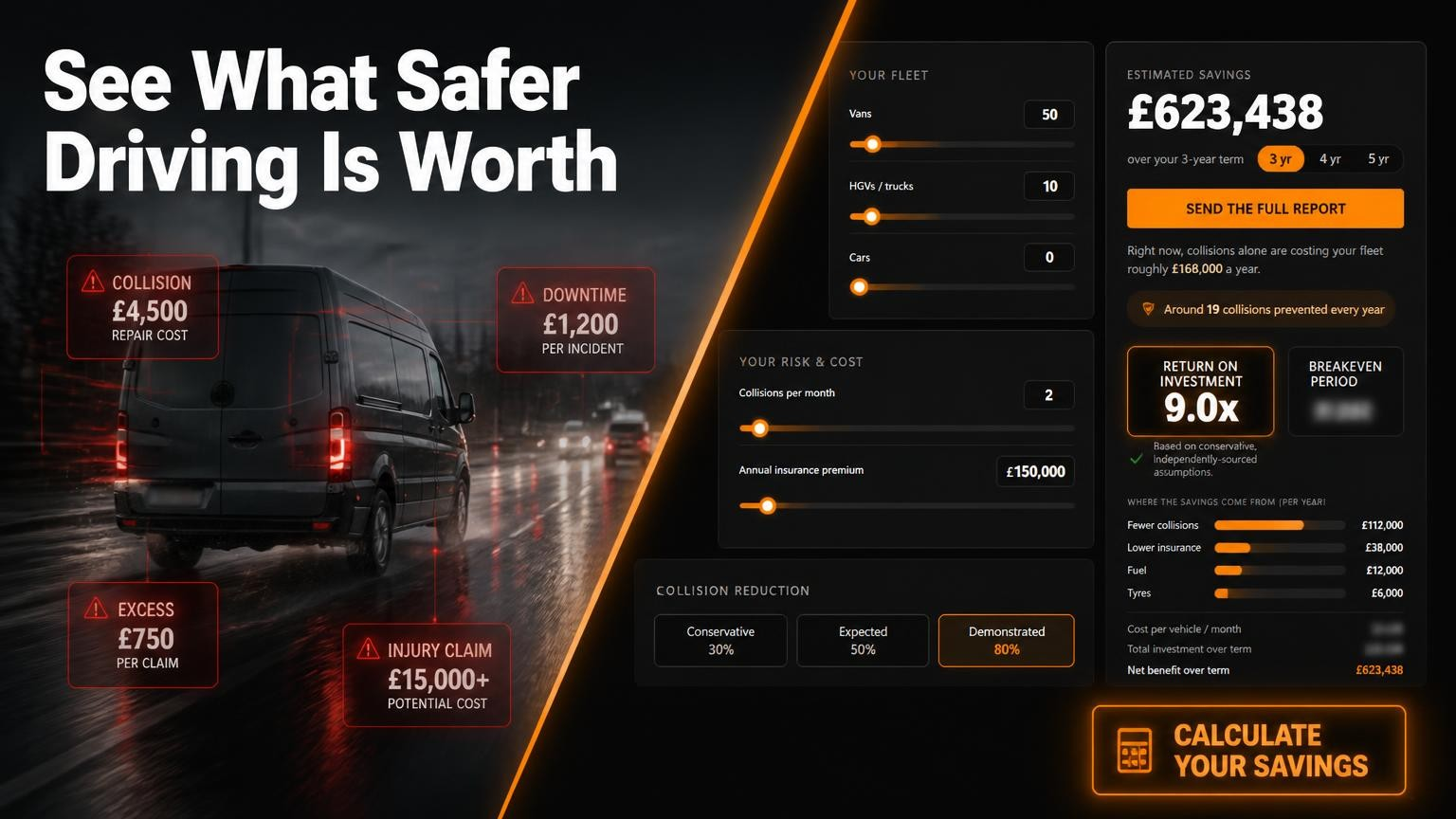
The most immediate commercial driver is insurance. Insurers have become more sophisticated in their assessment of fleet risk, and the presence of camera systems and telematics is increasingly factored into premium calculations. Fleets that can demonstrate low incident rates and comprehensive safety technology coverage consistently achieve better terms than comparable fleets that cannot.
The flip side is also true. Fleets with poor safety records and no technology infrastructure to demonstrate what happened in incidents are exposed to the full cost of contested claims.
The Regulatory Dimension
FORS Silver and Gold accreditation require camera technology. DVS compliance in London requires specific safety equipment. DVSA improvement notices increasingly reference technology requirements. The regulatory direction is clear: safety technology is moving from best practice to mandatory.
The Operational Dimension
Beyond compliance and insurance, safety technology generates operational intelligence. Driver behaviour data, route analysis, vehicle health monitoring: these aren't just safety inputs. They're fleet management tools that improve efficiency, reduce costs, and give managers better visibility of their operation.
Want to see this on your own fleet? Talk to our team.
We can show you how Exeros helps reduce road risk and operational cost across your vehicles.

Table of contents
Related insights
Stay alert and informed
UK regulatory updates, fleet efficiency case studies and safety insights, sent to your inbox.
Talk to the teamRead more from Exeros

Talk to our team about your fleet's specific challenges and how we solve them.