
A Fleet Manager's Checklist for Buying DMS Hardware
Across this series, we've covered why standalone fatigue detection misses early warning signs (Part 1), what that costs a commercial fleet (Part 2), and how telematics integration and a defined response workflow close the gap (Part 3). If you're evaluating driver monitoring systems, or weighing up DMS hardware as part of a wider fleet safety technology investment, the spec sheet rarely tells you what you actually need to know. Here's what's worth checking directly before you commit.
Six Things Worth Checking Before You Buy
- Low-light and infrared performance, tested against dawn, dusk and full darkness specifically, not just quoted lux ratings.
- Multi-signal detection, combining driver-facing camera data with road-facing footage or vehicle telemetry, rather than eye closure alone.
- Open integration with your existing telematics platform, tachograph data and scheduling systems, so fatigue events carry context rather than arriving in isolation.
- A defined escalation path, whether in-house or outsourced, so a genuine event reaches a person, not just a log file.
- Data handling that fleets can defend, including clear GDPR compliance and UK-based data storage where that matters for your accreditation. FORS, CLOCS and similar schemes increasingly expect this.
- Driver-facing transparency, since systems drivers don't trust get argued with, disabled or ignored, and adoption is most of what makes any of this work in practice.
Maurice Hill Transport is a good illustration of the last two points working together. The haulier hit full TfL compliance and FORS Gold accreditation, even after the TfL standard changed at the eleventh hour, with strong driver buy-in from day one. As their H&S Officer put it: “The drivers themselves are the oil in the machine. Without them, we've got nothing.”
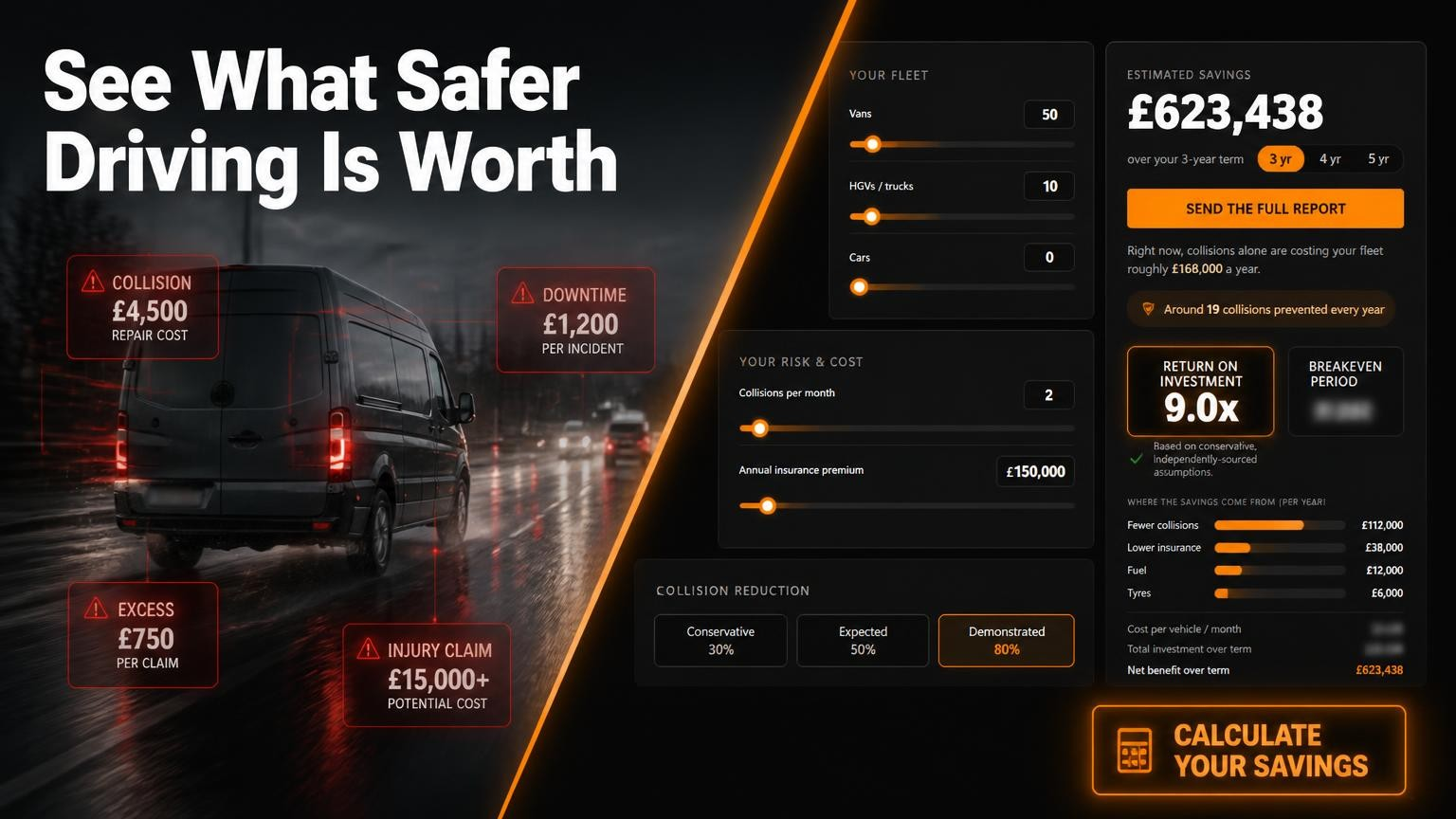
Want to see this on your own fleet? Talk to our team.
We can show you how Exeros helps reduce road risk and operational cost across your vehicles.
Getting Ahead of Fatigue, Not Just Reacting to It
The goal was never more alerts. It's earlier ones that the right person can actually act on. That's the difference between a camera that reports a moment and a system that understands a pattern, and it's why fatigue detection works best as one input into a wider safety platform, not a standalone gadget bolted onto the dashboard.
At Exeros, this is the thinking behind how our AI fatigue detection works alongside our wider video telematics platform rather than in isolation: real-time in-cab alerts, verified through a 24/7 UK-based review service, feeding into fleet-wide data that shows where and why fatigue risk is building before it becomes an incident.
If you want to see what that looks like for your own fleet, get in touch.
More in This Series
Part 1: Why Driver Monitoring Systems Miss Early Warnings

Frequently asked questions
Can driver fatigue detection systems work in the dark or with sunglasses?
Most modern DMS hardware uses infrared to work in low light and darkness, though performance can still vary at dawn and dusk. Sunglasses and extreme head angles can reduce accuracy on vision-only systems, which is one reason multi-signal detection is more reliable for fleets running early or overnight shifts.
What should fleet managers look for in DMS hardware?
Look for reliable low-light performance, multi-signal detection rather than eye closure alone, open integration with existing telematics and tachograph data, a defined escalation and verification process, and GDPR-compliant data handling, plus driver-facing transparency to support consistent adoption.
Table of contents
Related insights

%201.png)
Stay alert and informed
UK regulatory updates, fleet efficiency case studies and safety insights, sent to your inbox.
Talk to the teamRead more from Exeros
Talk to our team about your fleet's specific challenges and how we solve them.