
How new imaging algorithms are transforming roadside traffic management
Roadside traffic management has traditionally relied on hardware-intensive approaches: inductive loops embedded in road surfaces, microwave radar sensors, and manual monitoring. Advanced imaging algorithms are changing this, enabling cameras already deployed for other purposes to deliver traffic management intelligence that previously required dedicated infrastructure.
What Imaging Algorithms Can Do
Modern computer vision algorithms can analyse video feeds in real time to detect vehicle presence, measure queue lengths, estimate speed, classify vehicle types, and identify incidents. The same camera that monitors a junction for enforcement purposes can simultaneously provide the data previously extracted from inductive loops.
The practical advantage is significant. Camera-based systems can be deployed more rapidly and more cost-effectively than loop-based alternatives, and they can be updated through software without physical infrastructure changes.
Incident Detection
Automatic incident detection (identifying stopped vehicles, debris, or wrong-way drivers) is one of the most valuable applications of advanced imaging in traffic management. Early incident detection reduces secondary accident risk and speeds up the response that minimises disruption.
The Role of AI
The step change in capability has come from AI-powered image analysis. Traditional computer vision approaches required clean, controlled imaging conditions to work reliably. AI-trained models can handle the variability of real-world traffic monitoring (changing light, weather, occlusion, and scene complexity) with a reliability that makes operational deployment practical.
Commercial Applications
Exeros's technology has been deployed in roadside traffic management applications where the ability to see clearly in poor visibility conditions (fog, rain, glare) is critical. The SeeTrue algorithm, originally developed for vehicle safety applications, has direct relevance to fixed-camera traffic monitoring in adverse conditions.
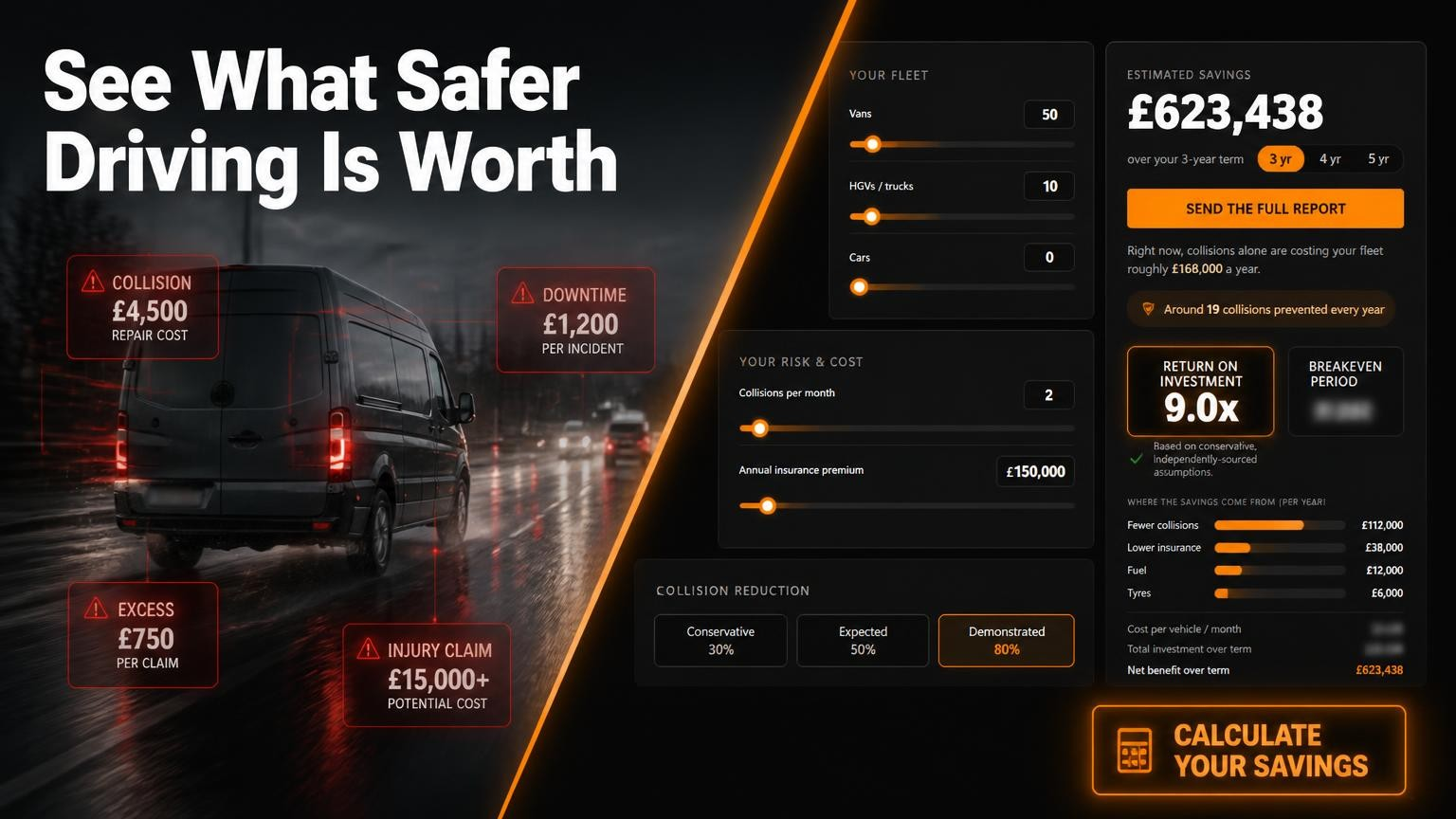
Want to see this on your own fleet? Talk to our team.
We can show you how Exeros helps reduce road risk and operational cost across your vehicles.

Table of contents
Related insights


Stay alert and informed
UK regulatory updates, fleet efficiency case studies and safety insights, sent to your inbox.
Talk to the teamRead more from Exeros

Talk to our team about your fleet's specific challenges and how we solve them.